In today’s rapidly evolving technological landscape, artificial intelligence (AI) has emerged as a game-changer for businesses across various industries. From enhancing operational efficiency to improving customer experiences, the potential benefits of AI are immense. However, the journey to successful AI adoption is fraught with challenges that organizations must navigate carefully. In this blog, we will explore the common obstacles businesses face when implementing AI solutions and provide strategies to overcome them.
Understanding the AI Adoption Landscape
Before diving into the challenges, it’s essential to understand the current state of AI adoption in business. According to recent studies, a significant percentage of organizations are either exploring or actively implementing AI technologies. However, many of these initiatives fall short of expectations due to various hurdles. These challenges can be categorized into several key areas: organizational culture, data quality, talent acquisition, technology integration, and ethical considerations.
1. Organizational Culture
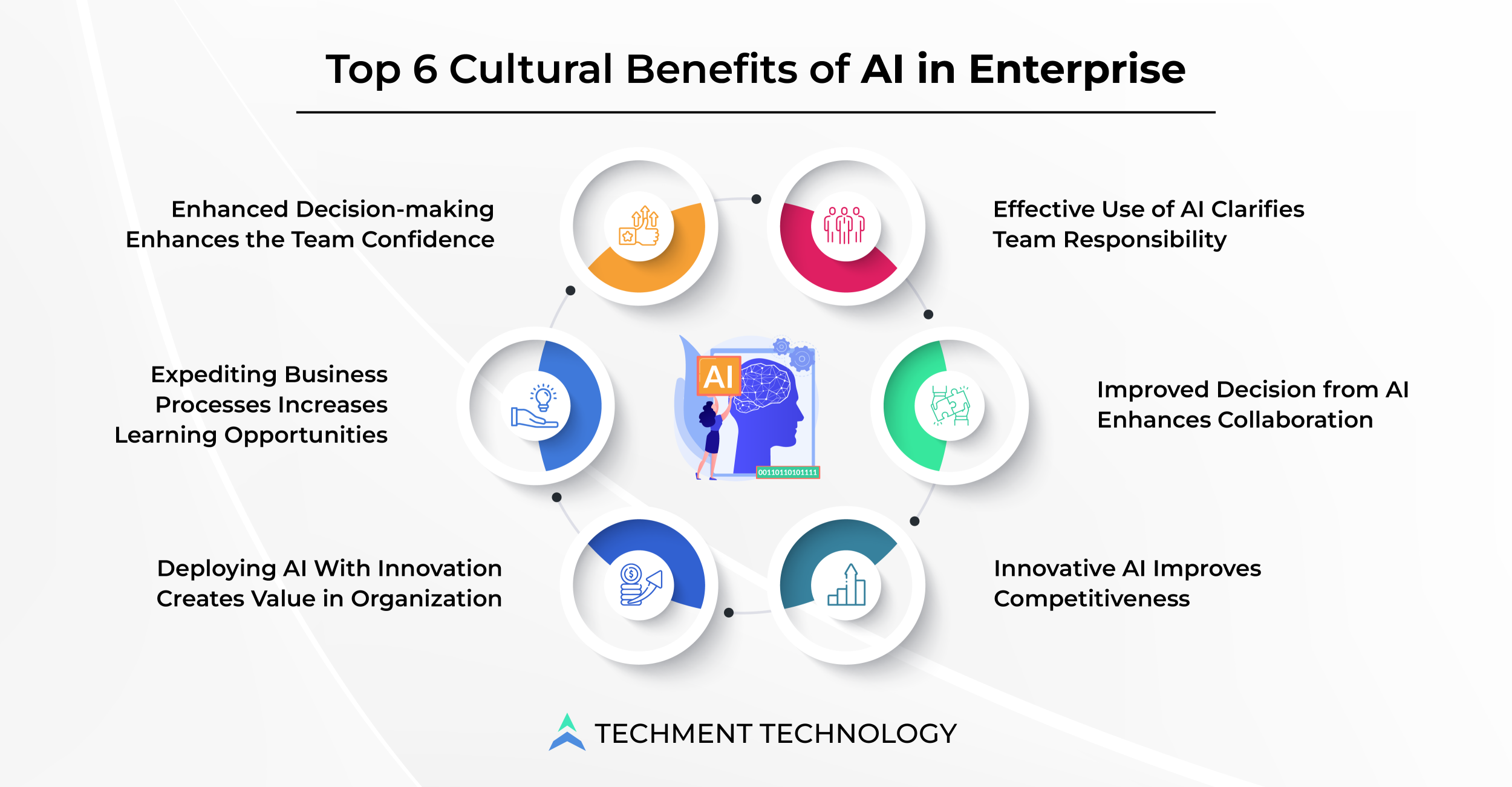
One of the most significant barriers to AI adoption is the existing organizational culture. Many companies have traditional mindsets that resist change, making it difficult to embrace innovative technologies like AI. Employees may fear job displacement or feel overwhelmed by the complexity of AI systems.
Overcoming Cultural Resistance
To foster a culture that embraces AI, organizations should:
- Promote Awareness and Education: Conduct workshops and training sessions to educate employees about AI’s benefits and potential applications. This can help demystify the technology and alleviate fears.
- Encourage Collaboration: Create cross-functional teams that include employees from various departments. This collaborative approach can help break down silos and promote a shared understanding of AI’s value.
- Lead by Example: Leadership should actively support AI initiatives and demonstrate a commitment to innovation. When employees see their leaders embracing change, they are more likely to follow suit.
2. Data Quality and Availability
AI systems rely heavily on data for training and decision-making. However, many organizations struggle with data quality and availability. Incomplete, outdated, or inaccurate data can lead to poor AI performance and misguided business decisions.
Ensuring Data Integrity
To address data-related challenges, businesses should:
- Conduct Data Audits: Regularly assess the quality of data being collected and used for AI initiatives. Identify gaps and implement processes to clean and update data.
- Invest in Data Management Tools: Utilize data management platforms that facilitate data integration, storage, and analysis. These tools can help ensure that data is accessible and reliable.
- Establish Data Governance Policies: Create clear policies regarding data collection, usage, and sharing. This can help maintain data integrity and compliance with regulations.
3. Talent Acquisition and Skill Gaps
The successful implementation of AI requires a skilled workforce capable of developing, managing, and interpreting AI systems. However, there is a significant talent shortage in the AI field, making it challenging for organizations to find qualified professionals.
Bridging the Talent Gap
To overcome talent acquisition challenges, businesses can:
- Invest in Training and Development: Offer training programs to upskill existing employees in AI and data analytics. This not only helps fill skill gaps but also fosters employee loyalty.
- Collaborate with Educational Institutions: Partner with universities and training centers to create internship programs and research initiatives. This can help cultivate a pipeline of talent for the organization.
- Leverage AI Tools: Consider using AI-powered tools that can assist in data analysis and decision-making, reducing the reliance on specialized talent.
4. Technology Integration
Integrating AI technologies into existing systems can be a complex and resource-intensive process. Many organizations face challenges related to compatibility, scalability, and infrastructure.
Streamlining Technology Integration
To facilitate smoother technology integration, businesses should:
- Conduct a Technology Assessment: Evaluate existing systems and identify areas where AI can be integrated effectively. This assessment can help prioritize initiatives and allocate resources accordingly.
- Choose Scalable Solutions: Opt for AI solutions that can scale with the organization’s growth. This ensures that the technology remains relevant and effective as business needs evolve.
- Engage IT and Data Teams: Involve IT and data teams early in the AI adoption process. Their expertise can help identify potential integration challenges and develop solutions.
5. Ethical Considerations
As AI technologies become more prevalent, ethical considerations surrounding their use are gaining attention. Issues such as bias in algorithms, data privacy, and transparency can pose significant challenges for organizations.
Addressing Ethical Challenges
To navigate ethical considerations, businesses should:
- Implement Ethical Guidelines: Establish clear ethical guidelines for AI development and usage. This can help ensure that AI systems are designed and deployed responsibly.
- Conduct Bias Audits: Regularly assess AI algorithms for bias and take corrective actions as needed. This can help build trust with customers and stakeholders.
- Prioritize Transparency: Be transparent about how AI systems make decisions and the data used in the process. This can enhance accountability and foster public trust.
Conclusion
While the challenges of AI adoption in business may seem daunting, they are not insurmountable. By fostering a culture of innovation, ensuring data quality, bridging talent gaps, streamlining technology integration, and addressing ethical considerations, organizations can successfully navigate the complexities of AI implementation. As businesses continue to embrace AI, those that proactively address these challenges will be better positioned to leverage the transformative power of this technology and gain a competitive edge in the marketplace.
In the end, the journey to AI adoption is not just about technology; it’s about people, processes, and a commitment to continuous improvement. By taking a strategic approach to AI adoption, businesses can unlock new opportunities and drive sustainable growth in the digital age.